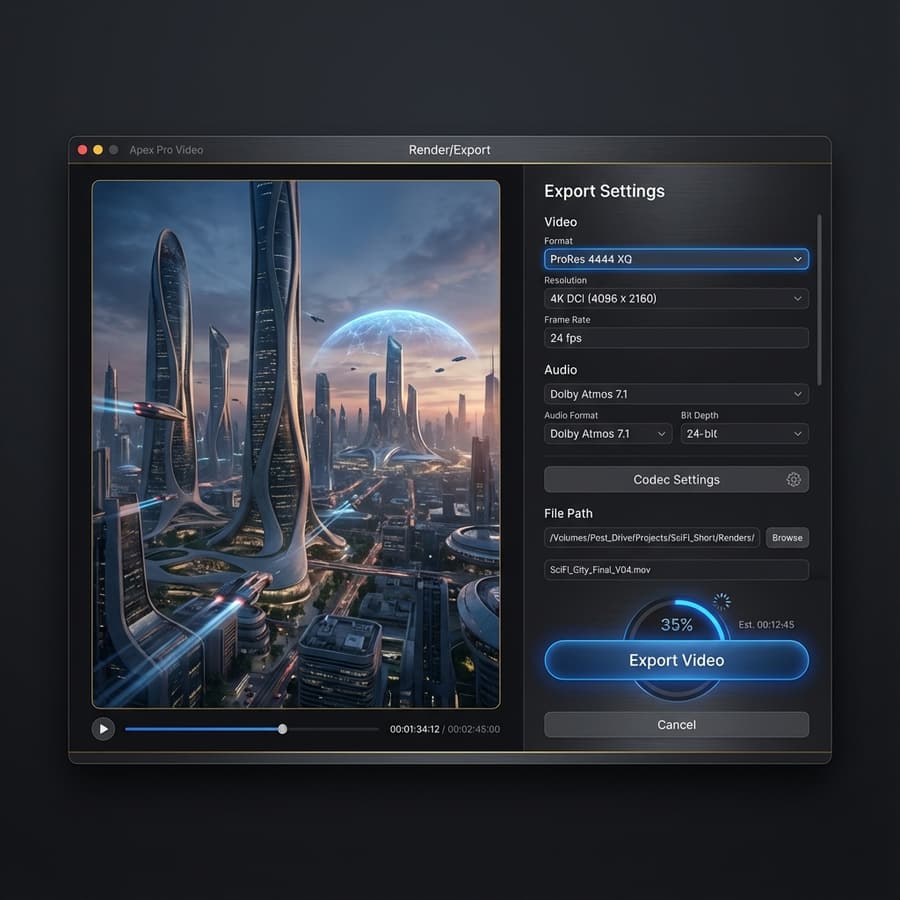





Seedream 5.0 AI Image Generator: Production Guide for Seedream 5.0
Seedream 5.0 is positioned on this page as a practical model for teams that ship visual assets every week. The official update released on February 13, 2026 introduced Seedream 5.0 and Seedream 5.0 Lite with stronger prompt understanding, better text rendering, and more stable structure control. This page focuses on operational use: writing usable prompts, generating first drafts, refining output quality, and delivering assets with predictable review cycles.
Seedream 5.0 AI Image Generator Interface
No Images Generated
Seedream 5.0 Core Features: Capability Stack
Core capabilities are organized for repeatable production workflows.
Seedream 5.0 Feature: Prompt Fidelity
This model performs best when prompts include clear subject hierarchy, composition direction, and visual constraints. Teams can build reusable prompt templates for campaigns, product launches, and social publishing. With standardized prompt structure, creative output becomes easier to evaluate and easier to improve over multiple rounds.

Seedream 5.0 Feature: Text Rendering
Text-heavy visuals usually fail when model output is unstable, but this model is designed for stronger readability and layout coherence. That makes it useful for ad cards, product labels, information posters, and bilingual marketing graphics. The practical value is fewer manual correction passes before release.
Seedream 5.0 Feature: Iterative Editing
After first-pass generation, teams can continue refinement in the same workflow: tighten spacing, rebalance composition, adjust emphasis, and preserve brand direction while changing scene details. This approach turns one generation step into a full creative loop that supports ongoing operations.
Seedream 5.0 Workflow: Three-Step Method
Use a standardized process so output quality remains stable.
Seedream 5.0 Step 1: Define the Brief
Write a brief with subject, scene intent, style direction, and typography constraints. Clear task framing reduces ambiguity, raises first-pass usability, and helps teams compare outputs against common acceptance criteria.
Seedream 5.0 Step 2: Generate and Evaluate
Generate variants in batches, then rank outputs by structure quality, text clarity, and brand consistency. This keeps review decisions objective and prevents over-iteration on weak directions.
Seedream 5.0 Step 3: Refine for Release
Apply focused edits to finalize hierarchy, spacing, and message clarity. Teams should archive successful prompts and parameter sets to make later projects faster and easier to reproduce.
Seedream 5.0 Benefits: Business Delivery
Practical value for creative, product, and growth teams.
Seedream 5.0 FAQ: Rollout and Usage
Implementation questions for planning and daily operation.
Use template prompts, shared review rules, and archived parameters for reliable operation.